Some homes do not lose power once a decade. They lose it several times a year, sometimes for reasons that barely make the news: aging feeders, storms, wildfire shutoffs, rural line damage, or overloaded local infrastructure.
Reliability changes the value calculation
A battery may look optional in a neighborhood with rare outages. It feels different when the grid fails often enough to disrupt work, food storage, medical equipment, or heating and cooling. Reddit solar discussions often frame battery value around peace of mind, not pure payback.
Solar recharge is the key advantage
A battery charged only from the grid can run down during a long outage. A solar battery system may regain energy during daylight if it supports islanded operation. That makes solar battery resilience more than a bill-saving tool; it can become part of a resilience plan.
Essential loads should be protected first
Frequent outages are easier to tolerate when the refrigerator, internet, lights, pumps, and key outlets stay on. Whole-home comfort is possible in some designs, but essential-load planning often provides better runtime per dollar.
Track outage patterns
Homeowners should note when outages happen, how long they last, and what loads were missed most. A two-hour evening outage calls for a different design than a two-day winter outage. Real outage history makes the battery proposal more accurate.
Balance resilience and daily savings
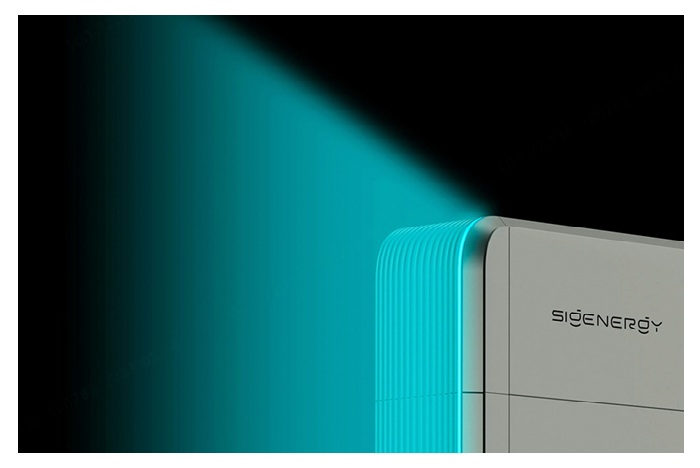
A home with weak grid reliability may keep a higher backup reserve than a home focused mainly on time-of-use savings. That tradeoff is sensible. Homeowners reviewing SigenStor storage system can ask how reserve settings, solar recharge, and load control work together when reliability is the main goal.
A useful way to judge this topic is to ask what would happen on three different days: a bright weekday with normal solar production, a cloudy evening with high household use, and a grid outage that starts after sunset. Those scenarios expose weaknesses that a simple capacity number can hide. They also help the homeowner decide whether the system is mainly for bill control, backup confidence, solar self-consumption, or future electrification.
The installer should be able to explain the operating mode in plain English. When does the battery charge from solar? When does it discharge? How much reserve is protected for outages? What happens if an EV charger, heat pump, or large appliance starts at the same time? These details are practical, not academic, because they determine whether the system feels calm during real use.
It is also worth asking for assumptions in writing. Solar production estimates, rate schedules, backed-up loads, usable battery capacity, and incentive assumptions should be visible in the proposal. According to NREL, installed solar-plus-storage costs depend on configuration and site conditions, so a transparent proposal is often more valuable than a single headline price.
Homeowners should not overlook the monitoring experience. A battery app should show enough information to build trust without turning daily life into a technical chore. Clear views of solar production, home consumption, grid imports, battery state of charge, and backup reserve make it easier to adjust settings as seasons, rates, and household loads change.
The proposal should also explain what happens when conditions are not ideal. A cloudy week, a summer heat wave, a winter storm, or a sudden change in utility pricing can all affect performance. A strong design does not pretend those cases never happen; it shows how the system prioritizes essential loads, preserves reserve, and uses solar production when it is available.
Finally, the homeowner should compare the battery decision with other energy upgrades. Better insulation, a more efficient heat pump, smarter EV charging, or a revised utility plan may change the required battery size. Storage works best when it is part of a whole-home energy plan rather than a standalone purchase made from a spec sheet.
That practical mindset also helps avoid overbuying. The right system should be large enough to solve the defined problem, clear enough to manage, and flexible enough to remain useful as the home changes.
The best solar battery storage system is not the one with the loudest claim. It is the one that matches the home’s solar production, daily loads, outage expectations, and future electrical plans.