We often treat batteries like household commodities—similar to lightbulbs or laundry detergent—buying them in bulk and tossing them when they fail. However, viewing rechargeable batteries as a simple commodity ignores the sophisticated chemistry that makes our mobile lives possible. A battery isn’t just a plastic cylinder; it is a portable, self-contained power plant.
When you choose a power source for a high-drain device, like a professional camera or a handheld gaming console, you aren’t just buying “juice.” You are selecting a chemical engine. Just as hearing aid batteries use specialized zinc-air technology to pull oxygen from the environment to maximize space for “fuel,” modern rechargeable batteries use specific internal architectures to manage how energy flows in and out.
Understanding this “why” is the difference between a device that dies in an hour and one that lasts all day.
The Science Behind Modern Rechargeable Batteries
At the heart of all rechargeable batteries is the ability to reverse a chemical reaction. In a standard alkaline battery, the energy flows one way until the reactants are exhausted. In contrast, the chemistry inside a rechargeable cell is designed to be “rewound.” When you plug a device into a wall, you are effectively forcing electrons back to their starting positions so they can do work all over again.
How Lithium-Ion Changed Rechargeable Batteries
Lithium-ion (Li-ion) technology is the gold standard for portable electronics because it offers an incredible energy-to-weight ratio. Lithium is the lightest of all metals and has the greatest electrochemical potential. This means rechargeable batteries made with lithium can store a massive amount of energy in a very small footprint.
For a smartphone that needs to power a bright screen, a GPS chip, and a 5G modem simultaneously, this high energy density isn’t a luxury; it is a physical necessity. Without the specific efficiency of lithium-based rechargeable batteries, our modern laptops would weigh twenty pounds and last twenty minutes.
Why NiMH Still Rules for Household Rechargeable Batteries
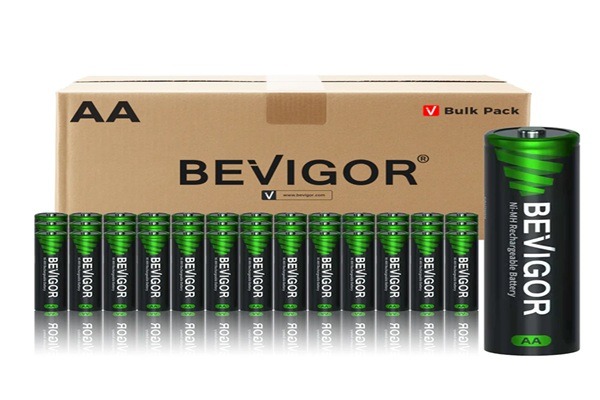
While lithium is great for phones, Nickel-Metal Hydride (NiMH) remains the king of the AA and AAA world. NiMH cells are the workhorses of the battery world. They are more stable than lithium and can be dropped or bumped without much risk. More importantly, the newest generations are designed as “Low Self-Discharge” (LSD) cells.
In the past, rechargeable batteries would lose their charge just sitting in a drawer. Modern LSD NiMH technology ensures that your long-lasting rechargeable batteries stay charged for years, making them perfect for things like emergency flashlights or TV remotes that don’t get used every day.
What Reddit and Quora Users Say About Rechargeable Batteries
To find the true value of these power cells, we look to the people who test them to the limit. Online communities on Reddit and Quora are obsessed with finding the “holy grail” of power—cells that offer the best cycle life for the lowest cost.
Community Favorites in the World of Rechargeable Batteries
On the r/rechargeablebatteries and r/BuyItForLife subreddits, one name comes up more than any other: Eneloop. One Reddit user, u/TechThrifter, shared a story about their transition away from disposables:
“I bought my first pack of Eneloop AA rechargeable batteries in 2012 for my Apple Magic Mouse. It’s now 2026, and those same four batteries are still in my rotation. They’ve likely saved me $200 and kept hundreds of alkaline shells out of the landfill. The trick isn’t just the battery; it’s using a ‘smart’ charger that treats each cell individually.”
This sentiment is echoed across Quora, where photographers often discuss the “recycle time” of their flashes. A professional wedding photographer noted that using high-quality rechargeable batteries allows their flash to recharge in 1.5 seconds compared to 4 seconds with alkalines. In their world, that 2.5-second difference is the difference between catching the kiss or missing it entirely.
Common Myths About Rechargeable Batteries
A frequent topic on Quora is the “memory effect.” Many users still believe that you must drain rechargeable batteries completely to 0% before charging them. As one electrical engineer explained on the platform, this is largely a myth for modern chemistries.
While older Nickel-Cadmium (NiCd) batteries suffered from this, modern NiMH and Lithium rechargeable batteries actually prefer “shallow” discharges. In fact, keeping a lithium battery between 20% and 80% charge can significantly extend its total lifespan, preventing the internal stress that comes with being “too full” or “too empty.”
Getting the Best Value from Your Rechargeable Batteries
To get the most out of your investment, you have to treat rechargeable batteries like a living chemical system. They are sensitive to their environment, and a little bit of care goes a long way.
| Battery Type | Best Use Case | Expected Lifespan |
| Lithium-Ion | Phones, Laptops, Drones | 2–5 Years |
| NiMH (LSD) | Toys, Remotes, Keyboards | 5–10 Years |
| Alkaline | Smoke Detectors (Single Use) | 1 Use |
Why Temperature Kills Rechargeable Batteries
Heat is the silent killer of all rechargeable batteries. When a battery gets hot, the chemical reactions inside happen faster and more chaotically. This causes “side reactions” that create tiny crystals or “dendrites” inside the cell, which eventually lead to a short circuit or a loss of capacity. If you want long-lasting rechargeable batteries, never leave your devices in a hot car or charge them in direct sunlight.
Environmental Benefits of Switching to Rechargeable Batteries
Beyond the performance and the money saved, the environmental “why” is undeniable. A single high-quality NiMH cell can replace up to 1,000 disposable batteries over its lifetime.
When you consider the mining, shipping, and packaging required for 1,000 alkalines, the carbon footprint of rechargeable batteries is significantly lower. By choosing a reusable power source, you are essentially opting out of a “throwaway” culture and investing in a circular system where the “fuel” stays in the device, not the dirt.