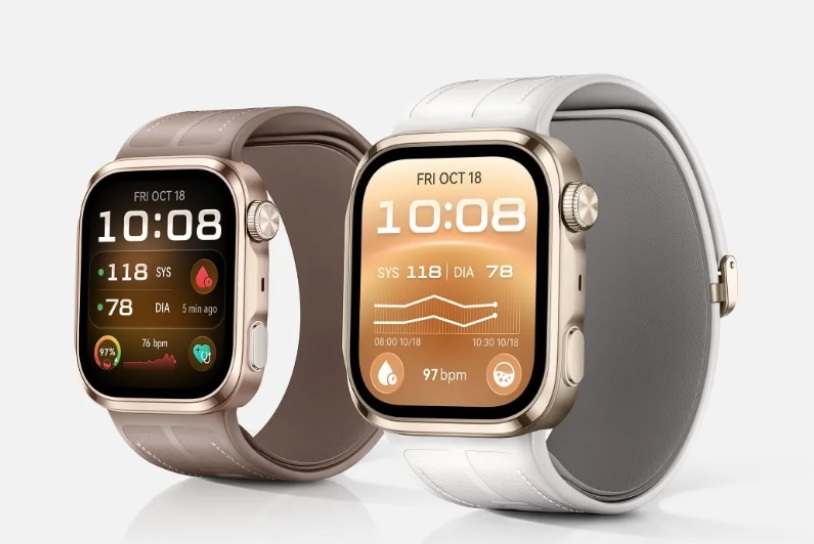
Every blood pressure reading arrives as a pair of numbers, and most people glance at them with only a hazy sense of what they mean. Is the top figure the important one? What counts as high? Why does the reading change every time? Demystifying these fundamentals transforms measurement from a ritual into genuine self-knowledge — and modern wrist devices like the HUAWEI WATCH D3, which present readings alongside trends and context, make the learning curve gentler than ever. A little fluency in the language of readings goes a remarkably long way.
Systolic and Diastolic: The Two Rhythms of a Heartbeat
The top number, systolic pressure, measures the force in the arteries as the heart contracts and pushes blood outward. The bottom number, diastolic, measures the pressure that remains while the heart relaxes and refills between beats. Both matter: the first reflects the peak load the system endures roughly once a second, the second reveals the baseline tension it never escapes.
With age, systolic pressure tends to command more attention as arterial stiffening drives it upward — but a rising diastolic in younger adults is equally worth heeding. Elevated values in either figure, sustained over time, define hypertension.
Pulse: The Third Number Worth Watching
Alongside the pressure pair, each reading records pulse rate — how many times the heart beats per minute at rest. Resting pulse offers a surprisingly rich signal: a lower value generally reflects better cardiovascular fitness, while an unexplained rise can flag stress, poor sleep, illness or dehydration.
Tracking pulse alongside pressure over time reveals relationships that single measurements never show — the resting rate easing as fitness builds, or climbing during demanding weeks as an early hint that recovery is falling behind.
Common Measurement Mistakes — and How to Avoid Them
A few recurring errors corrupt otherwise good data. Measuring immediately after activity, caffeine or a meal inflates results; talking during the reading does the same; a wrist held below heart level distorts the physics of the measurement. Crossing the legs, rushing the rest period or measuring over clothing adds further noise.
The corrections are simple: five minutes of quiet sitting, feet flat, wrist supported at heart height, silence during the inflation. Devices like the WATCH D3 guide positioning through their design, but the ritual of a calm, consistent measurement moment remains the wearer’s contribution to data quality — and it quickly becomes second nature.
Why Every Reading Differs — and Why That Is Normal
Blood pressure is dynamic by design. Posture, recent movement, caffeine, meals, conversation, temperature and mood all shift readings within minutes. A value taken after climbing stairs will exceed one taken after ten quiet minutes; an anxious morning will outscore a calm one. Variability is not measurement failure — it is physiology.
This is precisely why single readings mislead and patterns inform. Consistent measurement conditions — same time, same seated rest, wrist at heart level — tame the noise, while twenty-four-hour ambulatory plans embrace the variation deliberately, averaging daytime and night-time readings into a truthful daily profile.
Context completes interpretation. A week of slightly raised readings alongside poor sleep scores and high stress markers tells a coherent story with an obvious remedy; the same numbers without context would invite needless worry. This is the quiet advantage of integrated tracking: pressure never appears alone, but always accompanied by the lifestyle data that explains it.
From One Reading to a Living Health Record
A single reading is a fact; a year of readings is a record; a decade of readings is an asset. The archive that accumulates on the wrist captures how the body has responded to jobs, moves, fitness phases, stresses and recoveries — a longitudinal biography no clinic file can match.
That archive grows quietly in the background as the watch is simply worn. Its existence changes every future conversation about cardiovascular health, replacing reconstructed memory with documented history — and ensuring that whenever questions arise, the answers begin from evidence.
Reading Reports Instead of Raw Numbers
Individual readings inform; reports explain. The WATCH D3 compiles its ambulatory monitoring plans into professional summaries — average systolic and diastolic values for daytime, night-time and the full period, plus pulse across the window — that mirror what clinicians use for diagnosis. The Huawei Health app adds longer context through Health Insights, charting pressure trends beside sleep and activity data. Numeracy about personal health, once acquired, pays dividends for life.
Sharing these reports at medical appointments changes the conversation from impression to evidence: the GP sees weeks of documented behaviour rather than one anxious moment on the examination couch.
Numbers in Motion: Exercise and Recovery
The numbers behave most revealingly around physical effort. Pressure rises during exercise and should settle steadily afterwards; measuring immediately before and within two minutes after a workout captures both ends of that response. For a clear explanation of what those readings indicate — and how to use them to train both safely and effectively — this specialist guide to exercising with a blood pressure monitor smartwatch walks through the science step by step, written by a preventive cardiology expert.