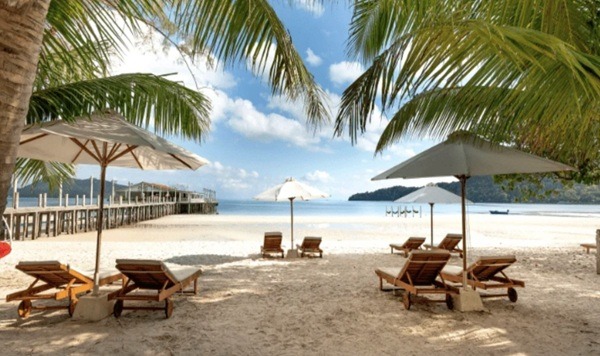
The demand for Kepri Estates private beaches for sale has reached unprecedented levels as discerning investors seek long-term value in natural assets. These coastal gems appeal to those pursuing exclusive beachfront plots with private access, resort-style estate lots featuring bespoke amenities, and secluded island plots positioned for optimal sunset views. Over the past decade, high-tier beach properties have evolved from niche hideaways into a sophisticated asset class. Discerning buyers now prioritise properties that deliver lavish comforts alongside ecological integrity. Understanding which specific features elevate a beach from scenic to superior is essential for maximising investment returns.
Water Quality and Clarity: The Benchmark of Value
Water clarity is a primary driver of valuation for premium beachfront houses. Data from luxury sales between 2020 and 2023 indicates that properties with high underwater visibility command prices 40% to 60% higher than adjacent sites with lower clarity. In markets like the Anambas Archipelago, famous for first-rate beachfront, jewel-green waters are a non-negotiable requirement.
Resorts boasting over 20 metres of visibility typically enjoy 33% higher occupancy rates. To safeguard these investments, rigorous laboratory testing for sediment and bacteria is recommended. Certified “clean” beaches in regions like the Grenadines often sell 25% faster, reinforcing the fact that water quality remains at the forefront of premium property acquisition.
Pristine Sand Quality and Coastal Profiles
The composition and “feel” of the sand are silent luxury differentiators. Fine, sun-bleached white sand can increase a property’s value by up to 45%. In the Caribbean, beaches with at least 95% white coral sand fetch approximately $3.2 million per acre.
| Feature | Top Standard | Impact on Value |
|---|---|---|
| Beach Slope | 3 to 5 degrees | +15-20% |
| Beach Width | 20–40m at high tide | +25-30% |
| Sand Depth | Minimum 1 metre | +10-15% |
Investors must review historical satellite records to assess seasonal erosion. Maintaining a beach’s profile can be a significant operational cost, but it is essential for preserving the “premium” status of the estate.
Waterfront Length and Marine Ecosystems
While beachfront length is a major draw, the value increase tends to stabilise after 500 metres. For boutique projects, a frontage of 200–300 metres is ideal. Furthermore, healthy coral reefs provide more than just aesthetic beauty; they act as natural breakwaters, reducing storm surge impact and lowering insurance premiums. Reefs with over 40% certified coral cover can add 30% to a property’s valuation due to the enhanced snorkelling and diving opportunities they provide for guests.
Privacy and Seclusion Factors
Privacy is the ultimate luxury. Properties that can guarantee total seclusion often see selling prices soar by 50% to 70%. Key indicators of high-value privacy include:
- Natural barriers such as cliffs or dense tropical vegetation.
- A minimum one-kilometre buffer from public access points.
- Strict “no-fly” or drone regulations to ensure peace of mind.
- Legal restrictions preventing neighbouring developments.
Access and Infrastructure
The most valuable estates find a balance between total seclusion and ease of transit. Properties located more than 45 minutes from an international airport may see a price softening of up to 30%. Conversely, direct marina access for yachts exceeding 30 metres can add 40% to the asset’s value. Essential infrastructure for a top-tier arrival experience includes helipads, weather-resistant roads, and deep-water moorage.
Permit Status and Development Potential
Regulatory approval is a significant value multiplier. Properties sold with full permits and “stamped” approvals often fetch 50% to 100% more than those without. In regions like the Bahamas, “grandfathered” development rights are exceptionally rare and highly prized.
| Regulatory Factor | Optimal Status | Impact on Price |
|---|---|---|
| Setback Lines | < 15m from high tide | +20-30% |
| Building Height | 3+ storeys permitted | +25-40% |
| Land Tenure | Clean Freehold | +40-60% |
Climate Stability and Regional Trends
Settled weather patterns are vital for investment security. Buyers are willing to pay a 20% premium for regions with stable year-round temperatures (24–32°C) and low storm risks. Properties in hurricane-prone zones are often valued 30% lower due to prohibitive insurance costs.
Currently, the quickest price gains are found in Indonesia, Palawan, and parts of Central America, with annual increases reaching 18%. While the Caribbean remains a “blue-chip” staple, Southeast Asia now represents a significant portion of the high-growth market, driven by emerging luxury hubs and untapped coastal stretches.
Strategic Conclusion
The global appetite for premium beachfront remains robust. Assets that successfully combine water clarity, white sand, and absolute privacy continue to outperform traditional real estate benchmarks. Whether developing a five-star resort or a private family sanctuary, focusing on these core features ensures a resilient and appreciating investment in the world’s most sought-after locations.