Strong bones and healthy joints make everyday life possible. They help us walk, work, exercise, sit comfortably, lift objects, and maintain balance. When pain, injury, stiffness, or weakness affects the musculoskeletal system, it can limit independence and reduce quality of life. Orthopedic medicine is the healthcare specialty that helps diagnose, treat, and prevent these problems.
This complete guide explains the meaning of orthopedics, the major parts of the musculoskeletal system, common conditions, treatment options, and practical ways to protect bone and joint health.
Orthopedic Overview and Definition
Orthopedic medicine focuses on the musculoskeletal system, which includes bones, joints, muscles, ligaments, tendons, cartilage, and related nerves. Doctors in this specialty assess conditions that affect movement, stability, strength, and physical function.
An orthopedic specialist may care for someone with a broken bone after an accident, a runner with knee pain, a child with a congenital limb condition, an adult with back pain, or an older person with arthritis. The field includes injury treatment, joint preservation, trauma care, sports medicine, spinal care, hand and foot conditions, and rehabilitation.
Orthopedics is not only about surgery. Many people improve with non-surgical care such as physical therapy, medication, braces, activity changes, or targeted exercise. Surgery is usually considered when damage is severe, symptoms continue despite conservative care, or function cannot be restored in another way.
The Parts of the Musculoskeletal System
The musculoskeletal system works as an integrated network. A problem in one structure can affect how other structures move and function.
Bones
Bones give the body shape, protect organs, store minerals, and work as levers for movement. The adult human skeleton contains more than 200 bones. Healthy bone tissue is constantly renewed, but age, hormonal changes, nutritional deficiencies, inactivity, and some medical conditions can weaken it.
A fracture occurs when a bone cracks or breaks. Fractures may result from trauma, falls, sports injuries, repetitive stress, or osteoporosis.
Joints
Joints are places where bones meet. They allow movement and bear loads during standing, walking, lifting, and exercise. Major joints include the shoulders, elbows, wrists, hips, knees, and ankles.
Cartilage covers the ends of bones in many joints. It reduces friction and provides cushioning. When cartilage wears down, joint movement can become painful and stiff.
Muscles, Tendons, and Ligaments
Muscles create movement by contracting. Tendons attach muscles to bones, while ligaments connect bone to bone and stabilize joints. A torn tendon or ligament can cause weakness and instability, while a strained muscle may cause pain and reduced movement.
The knee’s anterior cruciate ligament, or ACL, is one well-known example. An ACL injury may occur during sudden twisting, landing, or a change in direction during sports.
Common Orthopedic Conditions
Orthopedic problems can occur suddenly after injury or develop slowly through aging, repetitive movement, or long-term joint stress. Common conditions include:
- Fractures and dislocations
- Osteoarthritis
- Back and neck pain
- Sports injuries
- Knee ligament and meniscus tears
- Rotator cuff injuries
- Tendinitis and bursitis
- Hip and knee degeneration
- Carpal tunnel syndrome
- Hand and wrist injuries
- Foot and ankle conditions
- Scoliosis and spinal deformities
- Osteoporosis-related fractures
Osteoarthritis is one of the most common causes of joint pain. It occurs when cartilage gradually breaks down. Symptoms may include pain with movement, stiffness after rest, swelling, and a reduced range of motion. It commonly affects the knees, hips, hands, spine, and shoulders.
Sports injuries may include ankle sprains, muscle strains, stress fractures, shoulder dislocations, or tendon problems. They can affect professional athletes, recreational exercisers, and anyone who makes a sudden awkward movement.
When to Seek Medical Help
Mild pain after activity may improve with rest, but persistent pain should not be ignored. Medical evaluation is especially important if you have:
- Severe pain after a fall, accident, or sports injury
- A visible deformity in a limb or joint
- Sudden swelling or bruising
- Inability to put weight on a leg or foot
- Joint locking, repeated giving way, or instability
- Numbness, tingling, or weakness
- Pain that lasts for weeks or disrupts sleep
- Fever, redness, or warmth around a painful joint
Seek emergency care for an open fracture, major trauma, loss of sensation, or an injured limb that is cold, pale, or unusually shaped.
How Orthopedic Conditions Are Diagnosed
Diagnosis begins with a discussion of symptoms, medical history, previous injuries, work activity, and exercise habits. The doctor will examine movement, strength, joint stability, posture, swelling, tenderness, and nerve function.
Imaging may be needed to identify the cause of a problem. Common tests include:
- X-rays for fractures, alignment, and arthritic changes
- MRI scans for ligaments, tendons, cartilage, muscles, and soft tissue
- CT scans for complex fractures and detailed bone images
- Ultrasound for selected tendon, muscle, and joint conditions
- Blood tests for suspected infection, inflammation, or autoimmune disease
A proper diagnosis is essential because the same symptom can come from different causes. For example, shoulder pain might result from tendon irritation, arthritis, nerve compression, a rotator cuff tear, or a neck-related problem.
Treatment Options
Treatment depends on the diagnosis, the severity of the problem, the patient’s health, and daily activity goals.
Conservative Treatment
Many conditions respond well to rest, ice or heat when appropriate, activity modification, medication, physical therapy, braces, and supportive devices. A doctor may recommend a structured exercise plan to improve strength, flexibility, balance, and posture.
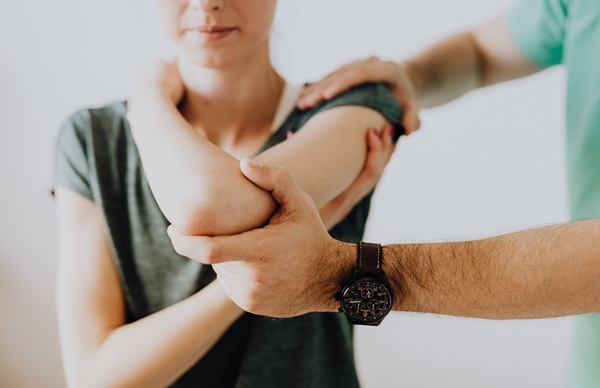
Physical therapy is especially important. It can support recovery after injury, prevent reinjury, and help restore function after surgery. Rehabilitation is often gradual and tailored to the individual.
Injections and Other Procedures
In selected cases, doctors may use injections to reduce inflammation or relieve pain. The right option depends on the diagnosis and should be discussed with a qualified healthcare professional.
Surgery
Surgery may be recommended for unstable fractures, complete tendon or ligament tears, severe joint damage, or conditions that do not improve with non-surgical treatment. Procedures may include fracture fixation, arthroscopy, ligament reconstruction, tendon repair, spinal surgery, or joint replacement.
Arthroscopy is a minimally invasive technique that uses a small camera and instruments to diagnose or treat certain joint conditions. Joint replacement may be appropriate for advanced arthritis when pain and limited mobility significantly affect daily life.
Liv Hospital notes that orthopedic care includes the diagnosis, treatment, and rehabilitation of bone, joint, ligament, and muscle conditions, with physical therapy playing an important role in regaining strength and movement.
Everyday Steps for Better Bone and Joint Health
Healthy habits can support the musculoskeletal system throughout life:
- Stay active with regular walking, strength training, stretching, or other suitable exercise.
- Warm up before sports and increase training gradually.
- Maintain a healthy weight to reduce pressure on weight-bearing joints.
- Eat a balanced diet with enough protein, calcium, and vitamin D.
- Wear supportive footwear that suits your activity.
- Use good posture while working, lifting, and using phones or computers.
- Avoid smoking, as it can weaken bones and slow healing.
- Take breaks from repetitive movements.
- Seek early advice for recurring pain or instability.
Conclusion
Orthopedic medicine supports the body’s ability to move freely and live actively. It covers far more than broken bones, including arthritis, sports injuries, joint degeneration, spinal problems, rehabilitation, and prevention.
Pain and reduced mobility can affect every part of life, but many orthopedic conditions can be managed successfully with an early diagnosis and a personalized treatment plan. Whether treatment involves physical therapy, lifestyle changes, medication, supportive devices, or surgery, the goal is the same: reduce pain, protect function, and help people return safely to the activities that matter most.