Introduction
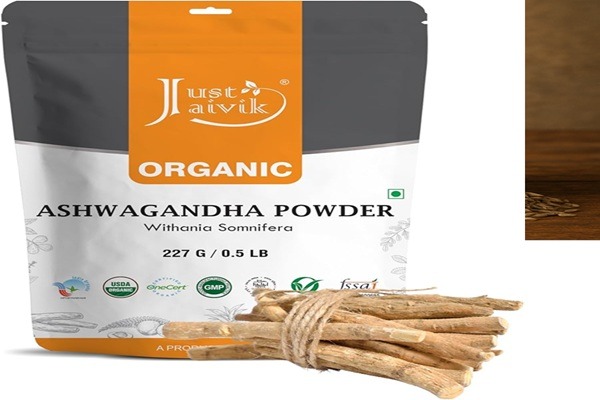
Ayurveda has a way of quietly fitting into modern life without asking you to change everything at once. Many people start small, with herbs that feel gentle yet meaningful. That is often how the journey begins for those looking for Organic Ashwagandha root powder online, not as a trend, but as a practical step toward better balance. The interest usually comes from feeling stretched thin, tired in odd ways, or just not quite like yourself anymore, even though medical tests look “normal”.
This ancient root, known traditionally as Ashwagandha, has been part of daily wellness routines for centuries. What makes it relevant today is not hype, but how closely its traditional use matches modern struggles like stress overload, poor sleep rhythms, and that constant low energy that coffee doesn’t really fix.
Core idea explained
What it means in simple words
Ashwagandha is considered a grounding herb in Ayurveda. In very simple terms, it supports the body when it feels worn down, over stimulated, or slow to recover. People often describe its effects as subtle at first. Not a sudden boost, but a gradual sense of steadiness. Over time, the body seems to cope a bit better with daily demands, both mental and physical.
The powdered root form is valued because it stays close to the traditional preparation methods. It mixes easily into warm liquids and is absorbed slowly, which aligns with how Ayurveda views long-term nourishment rather than quick fixes.
Why people search for this topic
Most searches around Ashwagandha come from real-life frustrations. Trouble sleeping even when exhausted. Feeling anxious for no clear reason. Energy crashing mid afternoon. Many users are also trying to reduce reliance on stimulants or harsh supplements. They want something plant-based, familiar, and ideally clean sourced. That’s why terms like pure root powder, chemical-free herbs, and sustainably grown Ashwagandha show up so often alongside these searches.
Ayurveda perspective
Ayurvedic principles involved (simple, patient-friendly)
From an Ayurvedic lens, Ashwagandha is known for supporting Vata balance. When Vata is disturbed, people often feel restless, scattered, dry, or weak. The herb is traditionally described as nourishing, warming, and stabilizing. It supports what Ayurveda calls Ojas, loosely understood as the body’s reserve of resilience and vitality.
Rather than targeting one symptom, it works on the system as a whole. This is why Ayurveda rarely frames it as a “medicine” in the modern sense, but more as a supportive ally over time.
Typical patterns people notice in real life
In everyday use, people often notice better sleep quality after a few weeks. Not necessarily longer sleep, but deeper. Some report improved stress tolerance, like small things bothering them less. Others feel more physical stamina during exercise or daily chores. These changes are usually gradual, and honestly easy to miss if you’re expecting dramatic results overnight.
Practical guidance
Daily routine tips (dinacharya-style, simple)
Traditionally, Ashwagandha powder is taken with warm milk or a plant-based alternative in the evening. Warmth helps digestion and absorption. Some prefer mornings, especially if fatigue is more prominent than sleep issues. Consistency matters more than timing, which many people overlook.
Starting with a small amount and sticking to a routine for several weeks is often advised in Ayurvedic practice. Skipping days, then doubling up later, usually doesn’t work well.
Food and lifestyle suggestions (safe and general)
Ashwagandha works best when paired with grounding habits. Regular meals, warm cooked foods, and a predictable sleep schedule make a real difference. Light evening walks, reduced screen exposure at night, and simple breathing practices often enhance its effects. It’s not magic, it’s synergy.
People also tend to benefit when they cut back on excessive caffeine or late-night snacking while using the herb. Small changes, but they add up.
What to avoid (common mistakes)
A common mistake is taking Ashwagandha while running on very irregular routines. Another is combining it with multiple stimulating supplements, hoping for faster results. Ayurveda favors simplicity. Overloading the system can cancel out the benefits, and sometimes cause mild digestive discomfort.
Safety and when to seek medical help
Ashwagandha is generally well tolerated for many adults, but it is not for everyone. People with thyroid conditions, autoimmune disorders, or those who are pregnant should consult a qualified healthcare professional before using it. If you notice symptoms like persistent stomach upset, palpitations, or changes in mood that feel uncomfortable, it’s best to stop and seek advice.
Ayurveda also emphasizes individual constitution. What feels calming for one person may feel too heavy for another. If symptoms worsen or do not improve after consistent use, professional guidance is important. Herbal support should never replace proper medical evaluation when red flags appear.
Conclusion
Ashwagandha root powder remains popular not because it promises miracles, but because it fits gently into real lives. When used thoughtfully, alongside supportive habits, it can become part of a steady wellness rhythm rather than a quick fix. If this approach resonates, try simple Ayurvedic basics, stay consistent, and notice small shifts over time. Share this article with someone exploring natural wellness, and keep learning, Ayurveda has many layers still worth discovering.
FAQs
Is Ashwagandha suitable for daily use over long periods?
Many people use it daily for weeks or months, but periodic breaks and professional advice are wise, especially for long-term routines.
How long does it take to feel results?
Some notice subtle changes in 2–3 weeks, others need longer. It depends on lifestyle, stress levels, and individual constitution.
Can Ashwagandha help with sleep problems?
It may support better sleep quality by calming the nervous system, but it is not a sleeping pill and works gradually.
Should it be taken with food or on an empty stomach?
Traditionally it is taken with warm milk or after meals to support digestion, especially for sensitive stomachs.
Is powdered root better than capsules?
Powdered forms align more closely with traditional use, but capsules can be convenient. Quality matters more than form.
Can it be combined with other Ayurvedic herbs?
Yes, but combinations should be thoughtful. Random mixing is not recommended without guidance.
Is it safe for people under high stress jobs?
Many working professionals use it for stress support, but lifestyle adjustments are just as important for real benefit.