
Smartphones shape modern learning behavior by changing how people search for information, manage learning tasks, and engage with educational content throughout the day. Learning once required planned sessions, dedicated materials, and structured environments. Now, smartphones allow learners to collect, review, and apply knowledge in smaller and more flexible moments. These changes influence attention, motivation, and the pace at which people process new information. Instead of relying only on scheduled study time, individuals use brief gaps for quick research, reflection, or practice. Many learners also choose devices that offer stable performance and simple interfaces, supporting smoother learning habits without creating unnecessary friction during study routines.
How Smartphones Transform Access to Information
Instant Retrieval Encourages Spontaneous Learning
Smartphones allow people to pursue answers the moment curiosity appears. This immediate retrieval supports spontaneous learning, where small discoveries accumulate into meaningful knowledge. Instead of waiting to reach a computer or classroom, learners check definitions, explore examples, or watch brief explanations on their phones. These micro-learning moments help reinforce understanding and reduce hesitation when approaching new topics. Instant access also supports confidence because learners can verify information quickly before moving forward. A smooth, responsive device makes these small steps effortless, encouraging individuals to explore more subjects without feeling overwhelmed or constrained by time.
Wide Content Variety Supports Different Learning Styles
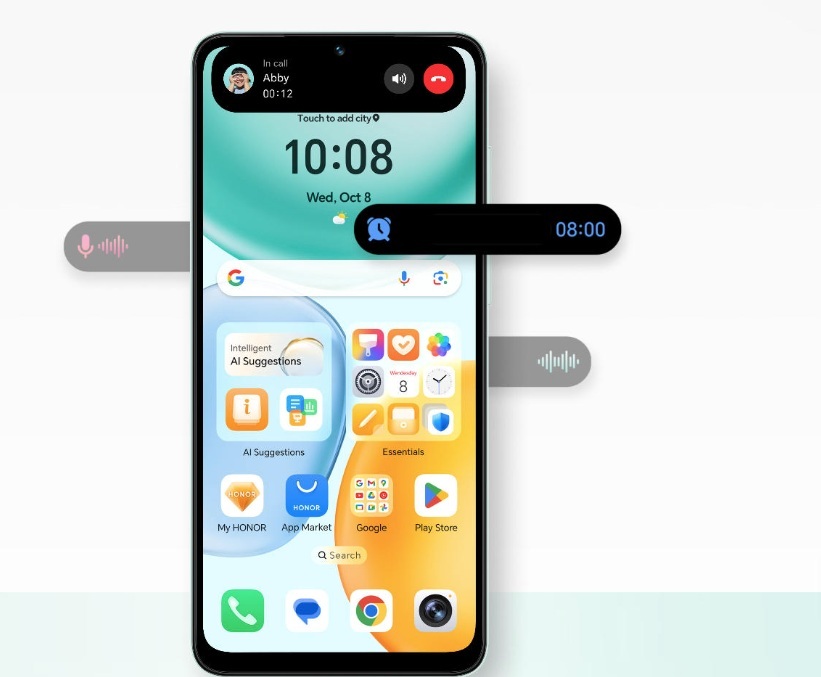
Smartphones provide text, audio, video, interactive tools, and visuals. This variety supports diverse learning styles and helps people choose the format that fits their preferences. For example, a visual learner can watch diagrams, while someone who learns through repetition might listen to recordings. The availability of multiple formats encourages flexibility and adaptability. Learners can switch methods based on the complexity of a topic. A subtle recommendation fits naturally here: models designed with clear and simple interfaces, such as the HONOR X5c smartphone, help users move smoothly between formats, supporting a more personalized and comfortable learning experience throughout the day.
Micro-Learning Makes Study Sessions More Sustainable
Long study sessions can be difficult to maintain. Smartphones support micro-learning—short bursts of study that fit into everyday routines. These brief interactions help people review small pieces of information without requiring extended concentration. Over time, these short sessions form a consistent learning habit. Micro-learning also reduces stress because learners approach complicated subjects in manageable portions. Smartphones enable this rhythm by providing quick access to notes, flashcards, and short articles. The ability to learn on the move helps individuals stay engaged with their goals even when schedules are busy or unpredictable.
How Smartphones Reshape Learning Habits and Attention
Constant Connectivity Expands Collaborative Study
Smartphones allow learners to collaborate instantly. Study groups can share notes, ask questions, or troubleshoot problems through messaging apps or online platforms. This real-time exchange supports deeper understanding because learners can clarify doubts immediately. Collaboration builds motivation and accountability, creating a sense of shared progress. Smartphones make group learning accessible regardless of physical location. The ease of reaching classmates or mentors strengthens communication habits and fosters consistent interaction with course material. When learners feel supported by their peers, they stay more engaged and confident, contributing to stronger long-term learning behavior.
On-the-Go Learning Reduces Barriers to Study
Smartphones eliminate many traditional barriers to studying. People can review materials at home, during commutes, or while waiting in lines. This flexibility helps transform scattered moments into productive learning intervals. The ability to study anywhere reduces the pressure of finding a perfect environment. Even if a person has only five minutes, they can revisit definitions, watch quick explanations, or complete short exercises. This consistent engagement improves retention and reduces the likelihood of procrastination. Smartphones make learning a fluid part of everyday life rather than a task restricted to desks or scheduled sessions.
Notifications Influence Study Focus
Notifications interrupt attention, and attention is central to learning. A smartphone that sends frequent alerts can disrupt concentration and weaken the learning process. However, when managed well, smartphones can support focused study through reminders, timers, and structured planning tools. Learners often adjust settings to reduce distractions while retaining the benefits of digital support. Devices with stable and predictable performance help reduce cognitive stress during focused sessions. Many find it easier to maintain concentration when their phones behave consistently and do not introduce unnecessary interruptions. This balance allows smartphones to play a supportive role in study routines rather than a disruptive one.
Conclusion
Smartphones shape modern learning behavior by transforming how people access, process, and engage with information. They offer immediate retrieval, diverse content formats, and flexible opportunities for micro-learning, encouraging steady progress throughout the day. Smartphones also support collaboration and make learning portable, helping individuals fit study time into busy schedules. At the same time, they influence attention and focus, requiring thoughtful management of alerts and digital habits. When learners use a device with a clean layout and stable performance—similar to the experience many notice with certain Honor models—they can navigate content more comfortably and maintain stronger learning rhythms. Smartphones, when used intentionally, make modern learning more fluid, adaptable, and accessible.